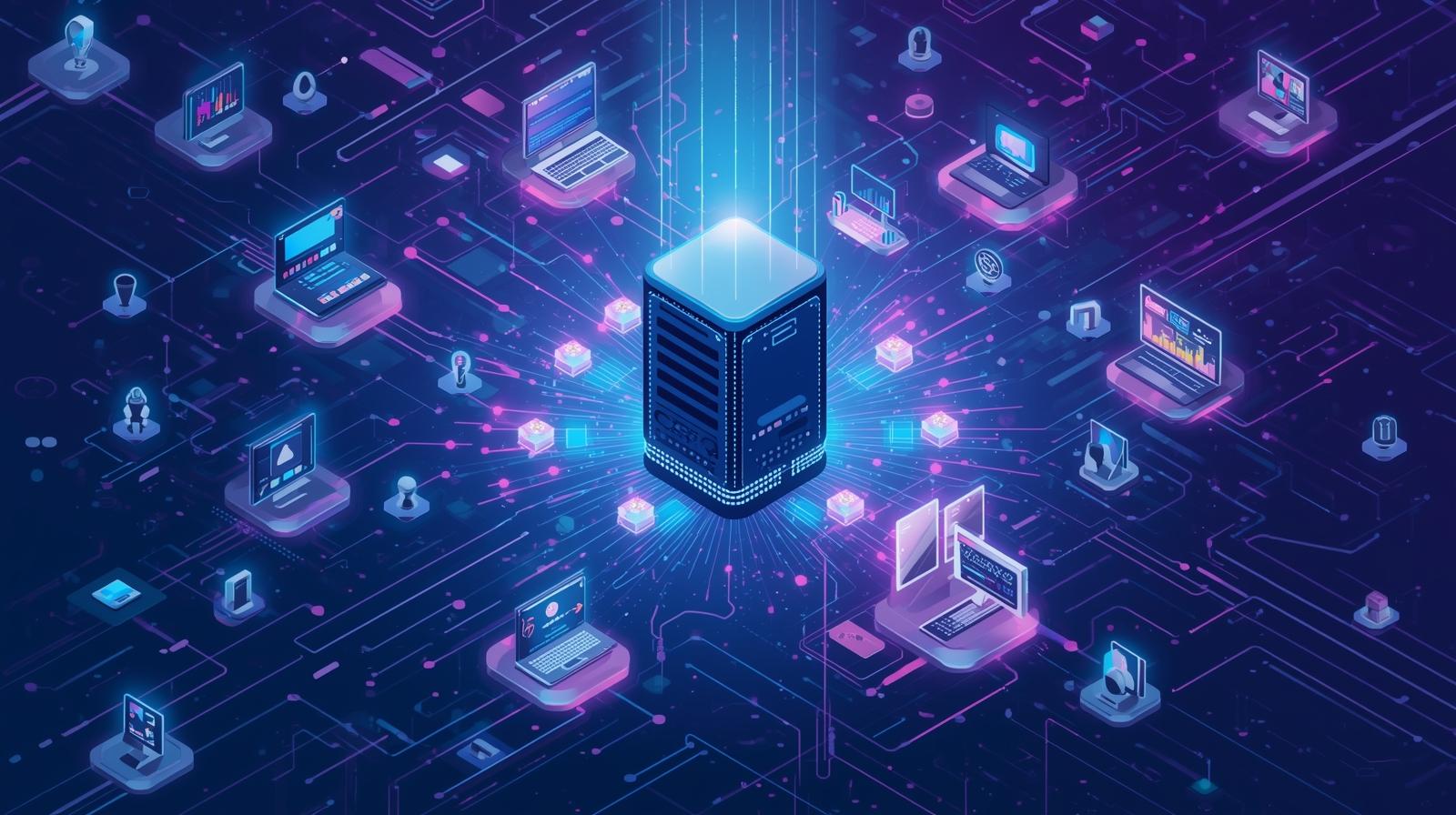
Data architectures are undergoing a massive transformation. Organizations generate massive volumes of unstructured data through artificial intelligence training, high-resolution multimedia rendering, and distributed workforce operations. Traditional storage infrastructure struggles to keep pace with these high-bandwidth, low-latency demands. Consequently, IT leaders must rethink how they centralize, process, and protect digital assets across geographically dispersed networks.
A modern NAS system offers a targeted solution to these complex storage bottlenecks. Network Attached Storage has evolved far beyond simple file-sharing repositories. Today’s iterations feature advanced caching algorithms, high-speed flash storage, and intelligent tiering protocols. These systems provide the throughput necessary for resource-heavy applications while maintaining strict access controls.
Reading this analysis will equip IT professionals and system architects with a clear understanding of how an upgraded NAS appliance integrates into contemporary network topologies. We will examine specific deployment scenarios across AI, multimedia, and remote environments, alongside critical strategies for data preservation.
The Architecture of a Modern NAS Appliance
To understand the impact of contemporary storage solutions, we must examine the underlying hardware and software architecture. A modern NAS appliance utilizes multi-core processors and NVMe solid-state drives to eliminate storage I/O bottlenecks. These devices operate on dedicated operating systems optimized for file-level data access, using protocols like SMB, NFS, and AFP to ensure cross-platform compatibility.
Advanced NAS system implementations use tiering mechanisms that automatically move frequently accessed "hot" data to high-speed flash drives. Conversely, they migrate "cold" data to higher-capacity, lower-cost spinning disks. This automated tiering maximizes both performance and cost-efficiency without requiring manual intervention from system administrators.
Accelerating Artificial Intelligence Workloads
Artificial intelligence and machine learning models require continuous streams of data for training and inference. Storage latency directly impacts the computing efficiency of expensive GPU clusters. If the storage cannot deliver data fast enough, the processing units remain idle, wasting computational resources.
Deploying a high-performance NAS system adjacent to compute clusters resolves this data starvation issue. These systems provide parallel file system capabilities, allowing multiple compute nodes to read and write data simultaneously. This concurrent access significantly reduces model training times. Furthermore, centralized storage allows data scientists to maintain a single source of truth for their training datasets, eliminating version control conflicts and redundant data silos.
Streamlining High-Resolution Multimedia Production
The media and entertainment sector faces unique storage challenges. Video resolutions have scaled from 4K to 8K, massively inflating file sizes. Post-production workflows require editors, color graders, and audio engineers to access the same massive files concurrently without dropping frames.
A dedicated NAS appliance provides the necessary bandwidth to support these demanding production environments.
Real-time Collaboration: Multiple editors can scrub through uncompressed video timelines stored on the central server simultaneously.
Version Control: Integrated snapshot features allow teams to revert to previous edits instantly if file corruption occurs.
Asset Management: Centralized metadata tagging helps production teams locate specific B-roll footage or audio stems across petabytes of archived projects.
By consolidating multimedia assets, production houses reduce the time spent transferring files between local workstations and external hard drives, directly improving delivery timelines.
Enabling Seamless Remote Collaboration
Distributed workforces require reliable, secure access to corporate files from any location. Relying on consumer-grade cloud storage often introduces security vulnerabilities and compliance risks. Furthermore, syncing massive files across standard residential internet connections causes severe productivity delays.
Modern NAS architectures bridge this gap by acting as private cloud servers. Remote employees access necessary files through encrypted virtual private networks (VPNs) or secure web portals directly connected to the corporate NAS. Administrators retain complete control over user permissions, ensuring that sensitive data remains within the corporate firewall.
Many systems also feature edge-caching technologies. This allows remote branch offices to maintain localized copies of frequently used files, minimizing latency while automatically synchronizing changes back to the primary data center.
Securing Digital Assets with NAS Backup
As data centralization increases, the risk of catastrophic data loss due to ransomware, hardware failure, or human error also scales. Implementing a resilient NAS backup strategy is a mandatory operational requirement, not an optional feature.
Modern systems utilize the 3-2-1 backup methodology effortlessly. Administrators can configure automated snapshot schedules that capture the exact state of the file system at regular intervals. These snapshots consume minimal storage space and allow instant recovery from localized ransomware attacks.
For disaster recovery, the storage units facilitate off-site replication. A primary NAS can asynchronously replicate its encrypted volumes to a secondary NAS located in a geographically distinct data center. Alternatively, native API integrations allow for direct NAS backup to public cloud storage providers like AWS or Azure. This creates a secure, air-gapped copy of critical business intelligence, ensuring business continuity during severe outage events.
Future-Proofing Enterprise Architecture
Scaling data infrastructure requires strategic foresight. Adopting a high-performance NAS system empowers organizations to process AI datasets efficiently, accelerate multimedia rendering, and support secure remote access. By integrating robust NAS backup protocols, IT leaders can guarantee the integrity and availability of these critical assets. Investing in intelligent, scalable storage appliances ensures that your network architecture remains resilient and highly responsive to future computational demands.